
Spain Sends Migrants Back to Morocco as Election Nears
Madrid deported 16 people from Ceuta after their asylum claims were denied, drawing criticism from Amnesty International.
By Ayanda Novak ·
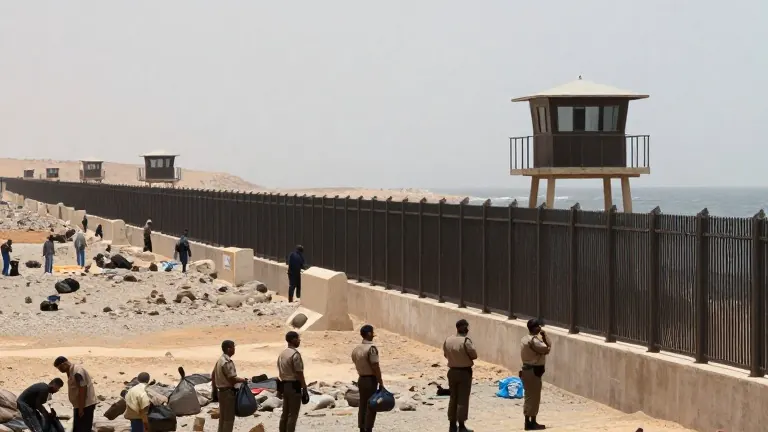
Spain deported 16 migrants from its North African enclave of Ceuta to Morocco this week, a move Amnesty International said could put those people at risk. The Spanish Interior Ministry said Tuesday that it acted after asylum applications were rejected and that Morocco had agreed to take the deportees. The 16 came from countries in Africa, the Middle East and Asia, according to NGOs that spoke to Reuters.
The deportations mark the first of their kind since a mass border crossing in late July, when about 80,000 people entered Ceuta from Morocco over 48 hours. At least 100 people died during that influx. The enclave covers 18.5 square kilometres and is home to about 80,000 residents.
Virginia Alvarez, an Amnesty International researcher, said Spain was not meeting its obligations. "Spain, despite its [progressive] speeches in Europe, is not ensuring that human rights guarantees are met for people who cross its borders in Ceuta and Melilla," she said. "Morocco does not respect many human rights." The Spanish Interior Ministry countered that the European Union considers Morocco a safe country and that deportations proceed "with all the necessary safeguards".
The crisis has shaped the run-up to snap polls scheduled for November 29. Prime Minister Pedro Sanchez is seeking re-election, and protests have drawn tens of thousands of people across Spain in recent months over how his government has handled the situation. Santiago Abascal, leader of the far-right Vox Party, has called Sanchez a "traitor".
Most of the people who crossed in July left within days. About 8,000 remain in Ceuta, some sleeping on the streets and others housed by Spain, charities and civil society groups.
Source: Al Jazeera