Lakshmi Aguirre: Spain's daily set lunch costs 14.70 euros as tradition fades
A new book argues the menú del día is under pressure from inflation and changing routines, though 4 million are still served weekly.
By Samir Lin ·
Spanish food journalist Lakshmi Aguirre argues that the country's traditional daily set lunch is struggling but not yet extinct. In her new book, Menú del Día: Everyday Scenes of a First Course, a Second Course and Pudding, she traces the history of the meal and analyzes the economic forces threatening its survival. The work offers a detailed look at how a midday institution has evolved over the past six decades.
The menú del día remains a staple of working life in Spain. Approximately 4 million of these meals are served on each weekday. Despite this volume, the habit is losing ground to faster, more convenient dining options. The average price for the three-course meal has risen to 14.70 euros, a cost that is pushing some regulars away.
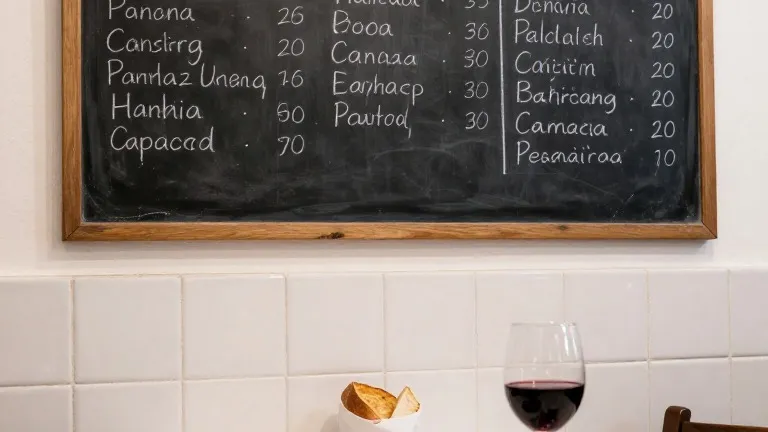
Aguirre identifies several pressures driving this decline. Rising energy and food costs make it difficult for small, family-run restaurants to maintain a rotating daily menu. Many establishments have responded by simplifying their offerings to a single "dish of the day." Others are adapting to the country's changing demographics by adding Latin American staples to their chalkboards.
The economic shift is also changing consumer behavior. Many workers short on time now bring food from home or microwave ready meals from the supermarket. This trend has accelerated since 2009, when chef Ferran Adrià declared the tradition dead. At the time, he cited economic downturns and the rise of bistro-style restaurants charging between 20 and 30 euros for similar meals.
The origins of the menú date back to the mid-1960s. It was created by Manuel Fraga, the information and tourism minister under dictator Francisco Franco. The regime introduced the fixed-price meal to show foreign visitors that food in Spain was plentiful, good, and affordable after the post-civil war scarcity. The law required a soup starter, a main of egg, fish, or meat, and a dessert of fruit, sweets, or cheese.
The state also regulated the accompanying drink. To prevent owners from diluting the beverage, the law specified a quarter-litre of pure Spanish red or white wine with an alcohol content of at least 12%. Prices were fixed between 50 and 250 pesetas. In the early 1970s, the offer was renamed to encourage local Spaniards to eat out, reducing its association with tourist pricing.
Aguirre notes that many Spaniards are unaware of this political origin. She said that when she mentioned Fraga during her research, many people reacted with shock. "It says a lot about us Spaniards; we forget very quickly," she said. She describes the menu as a mirror of Spanish society, noting that nostalgia is growing as the habit fades.
For Aguirre, the value of the menú extends beyond the food itself. "What's being lost is a meeting point," she said. The restaurants serve as social spaces where families with limited means can dine out and individuals living alone find company. She added that the true privilege lies "not just in being able to pay for a meal, but also in having the time to enjoy it."
Aguirre outlines specific criteria for a good menú venue. She looks for simple dishes, a regularly changing menu, and fresh ingredients. Her tests include checking that chips are not frozen and that the chalkboard lacks trendy words like avocado or truffle. She considers it a bonus if the owner's child is doing homework at a table in the back, a sign of a stable, family-run business.
The tradition continues to adapt to modern tastes. While some purists resist changes, Aguirre accepts that the menu must reflect the society that eats it. The shift toward vegetable stews, hake in green sauce, and squid in ink represents a modernization of the classic format. The daily set lunch remains a key part of the Spanish dining economy, even as its customer base slowly shrinks.
Source: The Guardian
More Business · World news · Rip-Off Report · Report a business · Got a Story?