Netanyahu and Eisenkot Face Deadlock Risk in Israeli Election
Polls show a neck and neck race, but neither bloc is projected to secure the 61 seats required to form a government.
By Riya Conti ·
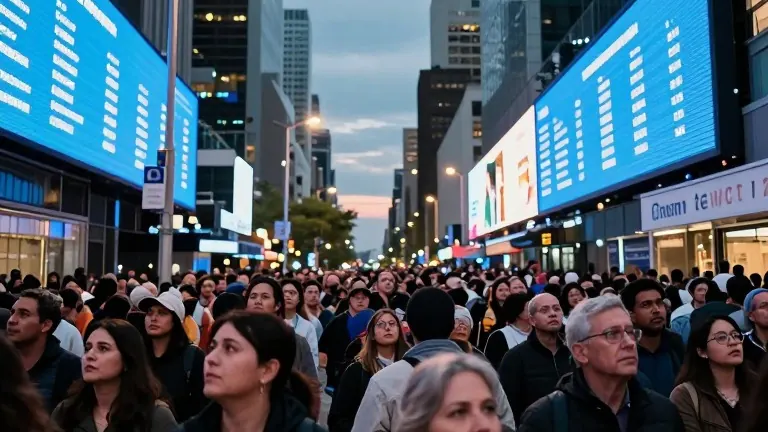
Israeli voters cast their ballots on Tuesday in a contest that promises a fractured parliament and a prolonged struggle to form a government. Polling released on Friday indicates that incumbent Prime Minister Benjamin Netanyahu and former military chief Gadi Eisenkot are locked in a near tie. However, neither candidate’s political bloc is expected to capture the 61 seats necessary to command a majority in the Knesset. This outcome sets the stage for weeks or months of intense coalition building.
The campaign has been dominated by questions of national security and the legacy of the October 7 attacks. The opposition bloc has criticized Netanyahu for the security failures that allowed Hamas to kill nearly 1,200 people and abduct 251 hostages. They have demanded an independent commission of inquiry, a step Netanyahu has resisted for years, claiming such a body would be biased against him. Despite these attacks, Netanyahu has maintained his identity as a security leader, citing strategic victories in regional conflicts and his close ties with US President Donald Trump.
Eisenkot leads the Yashar Party, the central figure in a coalition of parties united by their goal to remove Netanyahu from power. This change bloc includes former Prime Minister Naftali Bennett and right-wing figure Avigdor Lieberman, alongside left-leaning former general Yair Golan. Netanyahu’s path to power relies on retaining the support of far-right and ultra-Orthodox parties that comprise his current government, which is the most right-wing coalition in Israeli history.
Recent reporting has added tension to the final days of the campaign. Channel 12 reported that Netanyahu sought a last-minute military strike against Iran before the vote, a move opposed by his military chief Eyal Zamir. CNN subsequently reported that Netanyahu tried to persuade Trump to authorize new strikes on Iran, a proposal Trump reportedly rejected. Netanyahu denied both accounts. In the closing days, he also posted an AI-generated image of a nuclear bomb hitting Tel Aviv, a move Eisenkot described as hysterical.
Domestic policy has also fueled voter anger. Netanyahu’s government has failed to enforce a Supreme Court ruling requiring the conscription of ultra-Orthodox Jewish men in full-time religious study. This exemption has drawn criticism while thousands of other citizens are conscripted for military service. Eisenkot takes a similar stance on Gaza, pledging to end Hamas rule within 18 months through a US-led peace plan or military action. Israel has continued striking Gaza daily since last year’s ceasefire, with the military reporting more than 74,000 deaths in the territory, a figure the UN considers reliable.
The electoral arithmetic is complicated by the presence of two Arab party blocs. Approximately one-fifth of Israel’s population is Arab, and many identify as Palestinian citizens of Israel. While these parties could theoretically act as kingmakers, all but one major Jewish party has ruled out governing with them. The opposition also cites threats to democracy under Netanyahu, who faces ongoing corruption trials and continues to push for judicial reforms that previously sparked mass protests.
Exit polls will be published at 22:00 local time on Tuesday. While these provide an early indication of the vote, they can vary significantly. Hundreds of thousands of soldiers and reservists are also voting, but many of their ballots will not be counted until Wednesday. This delay may benefit right-wing parties that hold strong support within the military demographic. If no bloc reaches a majority, Israel could face a political deadlock, potentially triggering new elections and leaving Netanyahu in place as interim leader.
Source: BBC News