Oleshky Residents Gain Four-Hour Window for Aid and Evacuation
A ceasefire took effect at 01:00 GMT in the Russian-occupied town, allowing supplies to reach the approximately 6,000 people still living there.
By Samir Lin ·
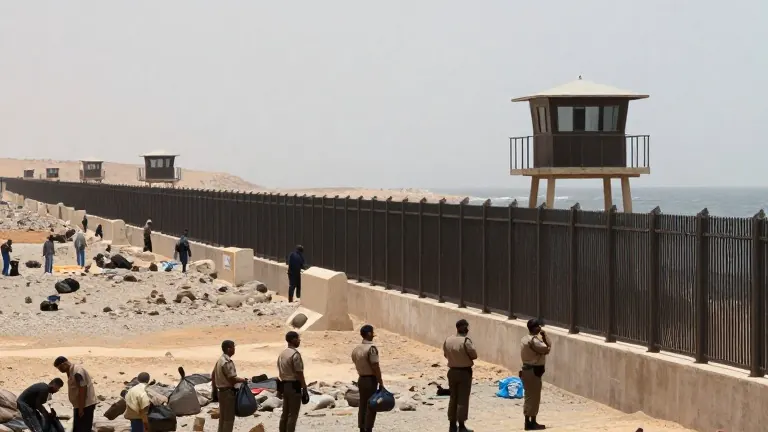
For the roughly 6,000 residents remaining in Oleshky, the guns went silent at 01:00 GMT on Monday. The four-hour pause in fighting was designed to let humanitarian teams deliver food and medical supplies to a population that has faced severe shortages for months.
Russia’s defence ministry announced the start of the truce on its Telegram channel at 04:00 Moscow time. The ministry stated it had stopped firing toward Kherson, the Ukrainian city located directly across the Dnipro River, to facilitate the humanitarian operation.
Dmytro Lubinets, Ukraine’s parliament commissioner for human rights and head of the negotiating team, confirmed on Facebook that Kyiv was honoring its side of the agreement. He noted that the ceasefire would allow for both the delivery of aid and the evacuation of civilians.
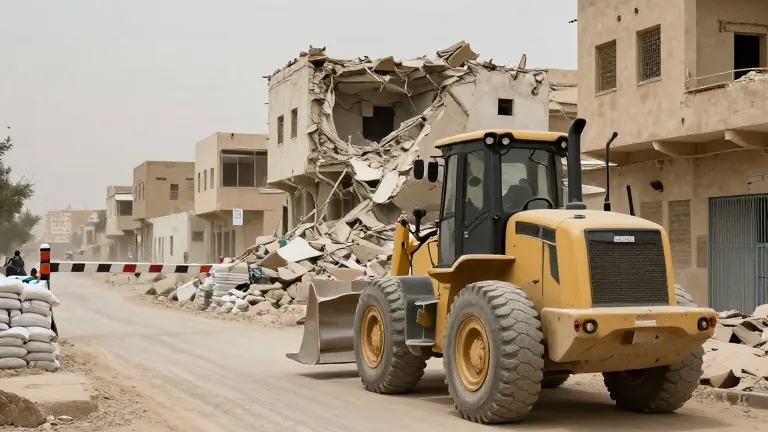
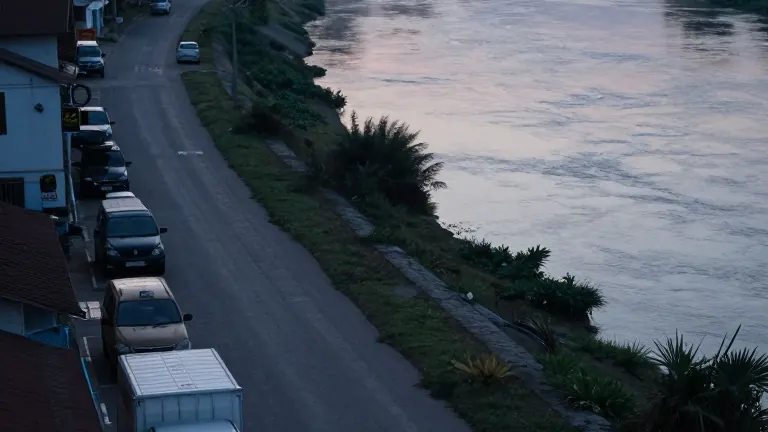
The town, seized by Russian forces in the early days of the 2022 invasion, is situated on the south bank of the Dnipro, which serves as the front line in the Kherson region. Before the war, Oleshky was home to 24,000 people. Current estimates indicate that only 6,000 residents remain, including 200 children, trapped between Ukrainian positions and Russian forces.
US First Lady Melania Trump announced the arrangement last week. In a White House press release, she stated that non-military civilian leaders from both countries would visit residents in their homes to assess their needs. This marks a continued focus for Trump on humanitarian aspects of the conflict, following a 2025 letter to Vladimir Putin urging protection for children.
The truce represents a temporary halt to the siege conditions that have defined life in Oleshky since the city’s capture. Aid workers now have a defined window to cross the front line and distribute essential goods to those who have been cut off from regular supply routes.
Source: BBC News