Ebola Outbreak in Congo Passes 10,000 Confirmed Cases as African Nations Race to Contain Spread
The Bundibugyo-strain outbreak in the Democratic Republic of Congo is the fastest-growing in Ebola history, with nearly half of confirmed patients dead and no approved vaccine or treatment.
By Riya Conti ·
An Ebola outbreak in the Democratic Republic of Congo has reached 10,000 confirmed cases, according to government data released on Tuesday, as health authorities in several African countries try to slow its spread.
The Ministry of Health in the D.R.C. reports 10,060 confirmed infections, and nearly half of those patients have died. That makes this the fastest-growing Ebola outbreak on record and the deadliest in the country's history. The outbreak was declared in May and is caused by the rare Bundibugyo virus, for which there is no approved vaccine or treatment.
By comparison, the West Africa outbreak of 2014 to 2016, the largest and deadliest in history, produced more than 28,000 cases and more than 11,000 deaths. Since being declared, the current outbreak has recorded at least three times as many cases and deaths over the same stretch of time. It has also travelled farther across Africa than any earlier outbreak, reaching three regions, with cases in Kenya and Nigeria. In total it has been recorded in five countries. Uganda has seen 21 cases and three deaths, with no new cases since late June. France has reported one case, a doctor who returned from the D.R.C. and later recovered in hospital.
Within the D.R.C., the disease has moved from three health zones at the time of the May declaration to 66 zones across eight provinces. Responders told The Associated Press that some treatment centres are overwhelmed, that residents remain skeptical and at times violent toward them, and that health workers regularly strike over delayed or unpaid wages. Armed conflict, poor roads and misinformation add to the difficulty of persuading people to report symptoms and accept care.
Surveillance remains a central weakness. About 80 per cent of recorded cases come from outside monitored contacts, which points to chains of transmission that authorities do not know about. The African Centres for Disease Control and Prevention has said at least 95 per cent of cases should come from known contacts before an outbreak can be considered largely under control. At least half of recorded deaths occurred among people who were never admitted to a treatment centre.
Attacks on medical staff continue. On Saturday, a nurse was killed and another health worker severely injured while answering an Ebola alert in Bafwasende, Tshopo province. Last week in the Nia Nia health zone in Ituri province, responders including surveillance and community engagement officers went on strike over bonuses unpaid since late August. Sephora Bgosi of the Ebola burial team in Ituri, the epicentre, said some people "still don't seem to understand the seriousness of the situation, even though they are directly exposed to the risk."
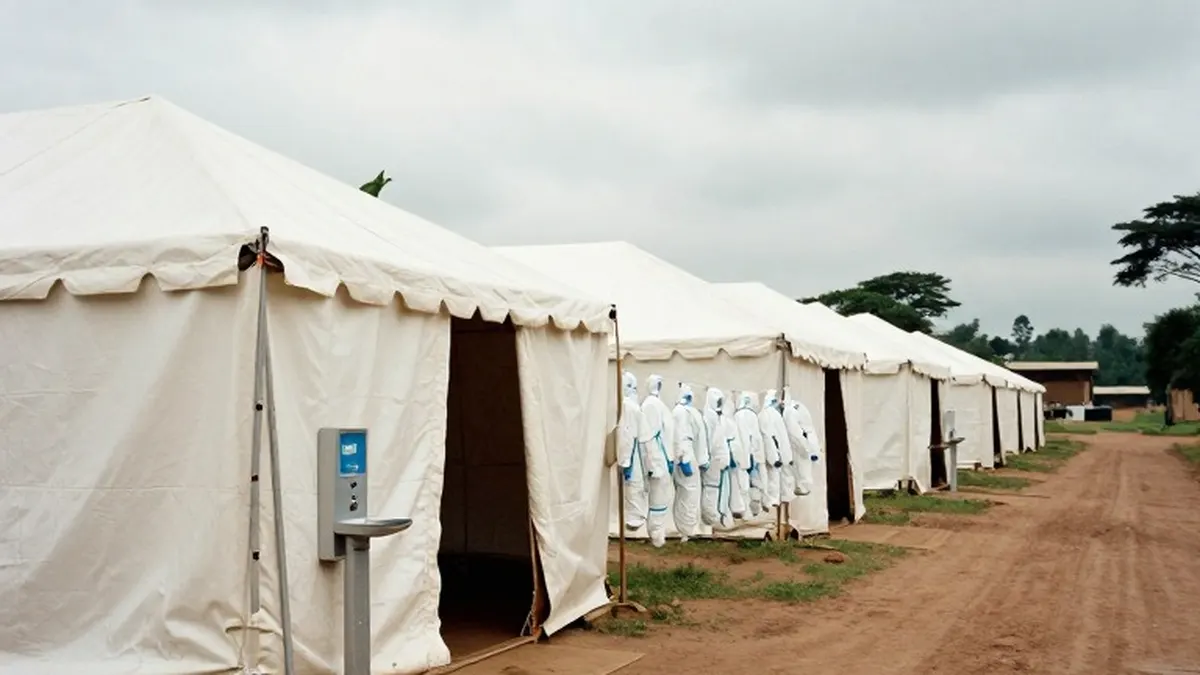
There have been some positive moments. At least 2,600 patients have recovered in the D.R.C. A video that spread widely this week showed health workers in full protective gear dancing as the last two patients were discharged from a treatment centre in Mongbwalu, Ituri province. World Health Organization Director-General Tedros Adhanom Ghebreyesus said, "The outbreak is far from over, but every life saved is worth celebrating."
African health ministers are set to hold a virtual summit on Wednesday to strengthen the continent's joint response. Dr. Jean Kaseya, head of Africa CDC, said: "Ebola is crossing borders. Our response must move faster, with stronger co-ordination, greater solidarity and decisive political leadership."
The wider toll on the country's health system is heavy. The outbreak has disrupted essential services that were already underfunded and shifted attention from other epidemics, including cholera, with more than 51,000 suspected cases reported in western D.R.C. since the start of 2026. Maternal mortality has doubled in some provinces as pregnant women avoid hospitals out of fear of infection and isolation. Routine childhood vaccinations and schooling have also been interrupted, and affected families face trauma and stigma.
Source: CBC News