Brazil's Presidential Run-Off: Lula and Flavio Bolsonaro Trade Economic Barbs in Rio
Two days before the final vote, the two candidates clashed on debt and public spending in a debate that underscored a newly deadlocked race.
By Ayanda Novak ·
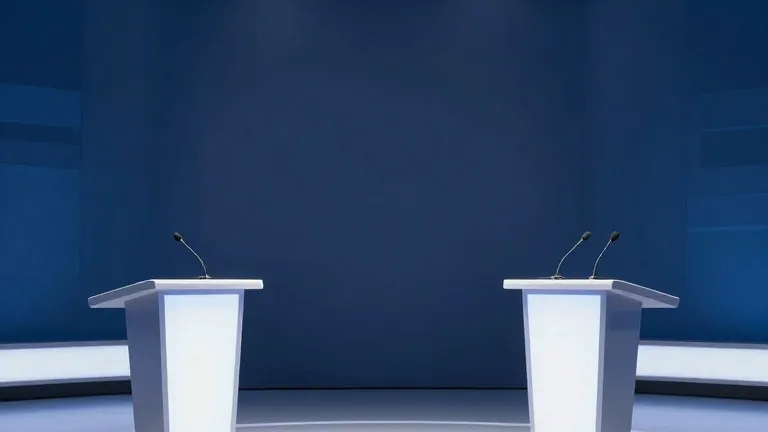
The final debate of Brazil’s presidential campaign ended without a clear victor, leaving the nation poised for a razor-thin runoff two days later. On Friday, President Luiz Inacio Lula da Silva and Senator Flavio Bolsonaro faced off in Rio de Janeiro, trading sharp policy critiques just 48 hours before voters head to the polls. The atmosphere on TV Globo was more measured than the first encounter on Sunday, yet the underlying tension remained high as both men sought to define their legacies.
The economic argument dominated the exchange. Lula criticized his challenger’s plan to drastically cut public spending, comparing the strategy to the aggressive austerity measures of Argentina’s President Javier Milei. Bolsonaro accepted the parallel, arguing that he would face similar constraints because Lula was leaving the country in a state of financial distress. “I’ll have the same job here [as Milei in Argentina] because you’re leaving the country bankrupt,” Bolsonaro said.
Personal attacks punctuated the policy discussion. Lula, 80, accused Bolsonaro of being out of touch with ordinary Brazilians. “He doesn’t know what hunger is,” Lula said of his rival, who is the son of former President Jair Bolsonaro. Bolsonaro countered by asking, “Why are things so expensive?” and asserting that he represents a force for change. Lula also challenged the senator’s understanding of the country, declaring, “He doesn’t know Brazil.”
The debate featured several tense moments involving specific grievances. Bolsonaro referred to Lula as “Nine Fingers,” a pejorative nickname referencing an industrial accident from Lula’s early career as a metalworker. The incumbent demanded an apology, which Bolsonaro provided. Lula then labeled Bolsonaro a vigilante, citing allegations of ties to paramilitary groups in Rio. Bolsonaro responded by stating he would classify such groups as “narcoterrorists.”
A third contentious point involved the mother of a five-year-old child killed in a shootout that included a police officer represented by Bolsonaro’s legal team. The candidate stated he did not believe his client was guilty of the incident. These exchanges highlighted the personal stakes involved in the campaign, moving beyond abstract policy to specific, painful memories for many voters.
Polling data indicates the race has tightened considerably since the first round. Bolsonaro led the opening vote on October 4 with 47 percent of the support, compared to Lula’s 45 percent. However, a Datafolha survey released on Thursday shows the two candidates tied at 50 percent each. This result erases the four-point lead Bolsonaro held in polls from two weeks prior, suggesting a highly competitive final weekend.
Both candidates are scheduled to meet supporters in the streets of Rio de Janeiro and Sao Paulo for their final campaign events before Sunday’s vote. The outcome will determine the next president of the world’s largest economy in South America.
Source: Al Jazeera
More Politics · World news · Report a business · Got a Story?