Qatar brokers last-minute deal to halt new U.S. strikes on Iran
Doha mediators propose a two-day truce to pause attacks in the Strait of Hormuz as the region braces for post-election military action.
By Ayanda Novak ·
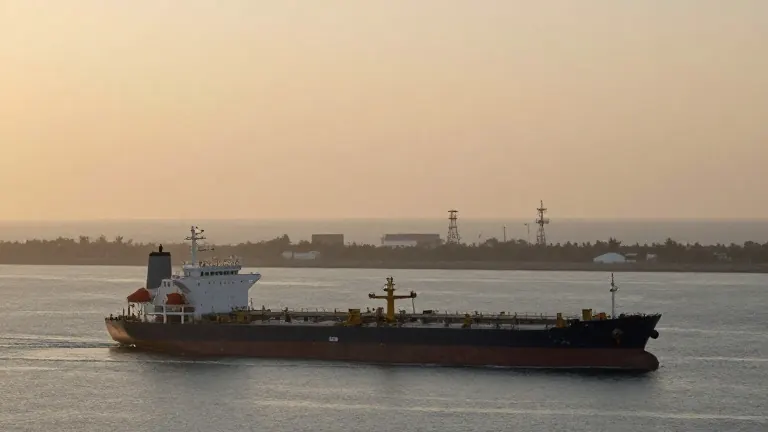
Qatari mediators are pushing a two-day plan to pause Iranian attacks in the Strait of Hormuz, aiming to create a window for direct talks between Washington and Tehran. The effort comes as the United States and Israel prepare for possible new strikes on Iran following Tuesday’s midterm elections. Iranian Foreign Minister Abbas Araghchi told state media that a definitive conclusion to the mediation has not yet been reached, but he confirmed discussions about the temporary halt.
The diplomatic rush has intensified over the past 72 hours. Qatari officials sent mediators to Tehran, while an Iranian delegation traveled to Doha. President Donald Trump, speaking at a Halloween event at Mar-a-Lago, said the U.S. is not in a hurry to restart the war. He claimed the U.S. and Israel have destroyed much of Iran’s military equipment and manufacturing capabilities, noting that one or two nuclear sites remain but could be targeted quickly.
The conflict began eight months ago when the U.S. and Israel launched a war against Iran. The fighting killed Iran’s supreme leader and top military commanders and damaged many ships and missile production sites. Despite the heavy blows and ongoing economic sanctions, the war has not toppled Iran’s regime. The Islamic Revolutionary Guard Corps remains capable of projecting power across the Gulf, a region that produces a large share of the world’s oil and gas.
Global energy markets have already reacted to the instability. Brent crude oil prices are 60 percent higher than they were before the war began. Iran’s closure of the Strait of Hormuz has disrupted trade routes and increased costs for consumers and businesses worldwide. The economic strain is visible across the Gulf, where many nations rely on stable shipping lanes for their prosperity.
Iran’s new supreme leader, Mojtaba Khamenei, issued orders to senior commanders this weekend. He instructed that any threat to the country must be met with an immediate response without geographical limitations. Iranian state media interpreted this directive to mean that any new U.S. or Israeli attack would cause greater damage than previous rounds of fighting. This message aims to deter further military escalation.
Bahrain, home to the U.S. Navy’s Fifth Fleet, is a focal point of the regional security concerns. On the first day of the war in February, Iran struck U.S. military sites in the country, including the Fifth Fleet’s logistics hub. The base, which once housed 8,000 personnel, now holds fewer than 100. Visible damage includes charred warehouses and hit radar equipment. Bahrain’s Foreign Minister Abdullatif Al Zayani noted that Iran has targeted both military and civilian infrastructure, including undersea internet cables.
At the Manama Dialogue security forum, Gulf leaders expressed a united desire to avoid further war. Senior Emirati diplomat Anwar Gargash argued that military solutions complicate the situation and do not offer a quick exit from the crisis. He urged leaders to use political tools to manage the conflict. The region’s leaders view Iran as a primary security threat but prefer diplomatic resolution to avoid the economic and physical toll of another prolonged war.
Source: KYPX