Sudan's grid relies on one dam after 15 substations destroyed
Drone strikes in the last week have isolated northern states, forcing hospitals and bakeries to run on dwindling diesel supplies while the country's largest thermal plant remains offline.
By Riya Conti ·
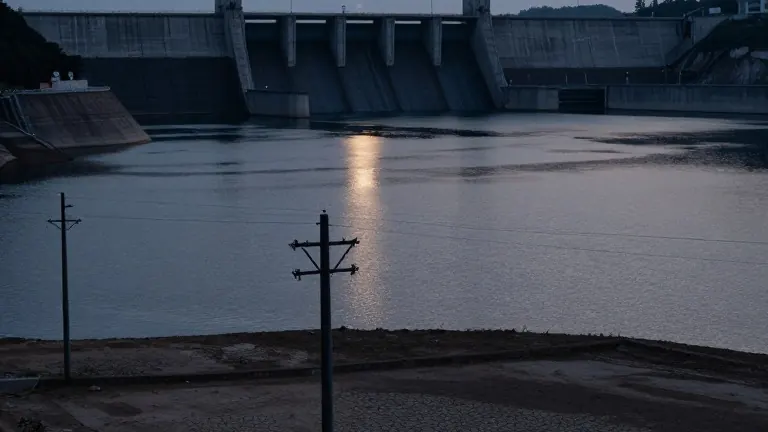
Sudan’s national power grid now depends almost entirely on the Merowe Dam, which generates 1,250 megawatts and supplies more than 70 percent of the country's electricity. This shift occurred after drone strikes destroyed substations in Al-Dabbah and Abu Hamad on Sunday, marking the latest attacks in a series that has targeted infrastructure across army-held territories.
The Merowe facility is the only major generation source left online. Other hydroelectric dams in the country produce a combined total of no more than 100 megawatts. Prior to the recent wave of strikes, national production had already dropped from 4,400 megawatts before the war began to 1,100 megawatts. The loss of the Um Dabakir thermal station, which had a capacity of 500 megawatts, accelerated this decline.
The attacks began late last Wednesday when drones hit the Um Dabakir plant in White Nile state. The strike destroyed four transformers and damaged three generating units, according to the station's director. This outage has cut White Nile and North Kordofan states off from the grid, with regional officials warning the damage will persist for months. On Friday, a drone carrying four missiles destroyed transformers at the main substation in Shendi, also damaging a reserve depot and an army air defense hangar.
Emergency Lawyers, a rights group tracking the strikes, reported that fifteen substations have been targeted since early October. The organization blamed the Rapid Support Forces, or RSF, for the Sunday attacks. In Al-Dabbah, the substation was found completely burned after an explosion shortly after 4 a.m. The station's guard, Mohammed al-Nour, was killed in the strike.
Local residents face immediate disruptions to daily life and medical care. The Sudan Doctors Network warned that outages endanger hospitals, dialysis centers, and blood banks, while also threatening the cold storage required for vaccines. In Al-Dabbah, bakeries and markets have halted operations because diesel, a common backup fuel, is scarce. Seif al-Rawasi, a local baker, noted that he will have to shut down his business without access to electricity.
Farmers are particularly vulnerable as the winter growing season begins. Irrigation pumps rely on electricity, and the lack of diesel in the area limits alternative power sources. In Abu Hamad, the local security committee confirmed the substation was destroyed but reported no casualties from the strike. The Sudan Foreign Ministry stated on Saturday that the drones were supplied by the United Arab Emirates and launched from Ethiopia, a claim the UAE has repeatedly denied.
The RSF did not immediately respond to requests for comment regarding the targeting of power infrastructure. The conflict has killed at least 59,000 people and displaced approximately 13 million, with parts of the country facing famine. Many households in cities like Khartoum have turned to solar panels to maintain power, though a typical system costs nearly $5,000, a price that exceeds the budget of most families.
Source: WKMG-TV