North Korea Opens Wave of High-End Meat Restaurants
State media has announced more than a dozen new barbecue venues since September, drawing scrutiny from analysts who view the openings as a display of political strength rather than economic stability.
By Ayanda Novak ·
North Korea has announced the opening of more than a dozen new barbecue restaurants since September.
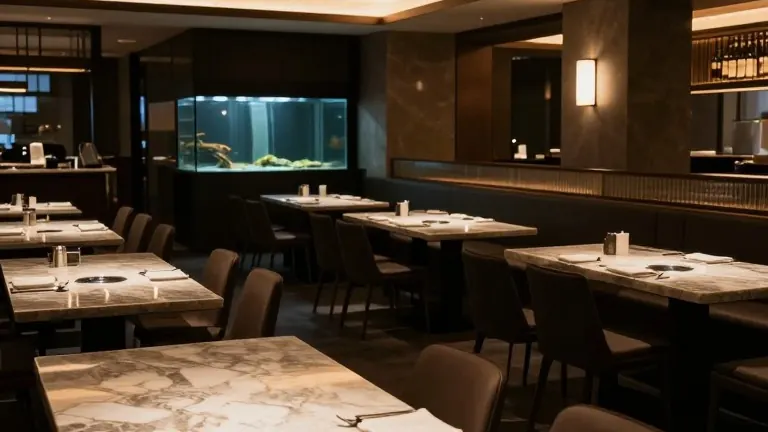
State media describes the venues as multi-story establishments featuring waterside terraces and marble tabletops inlaid with grills. Menus listed in official reports include beef, pork, and ostrich.
The spread of these dining establishments uses the term bulgogi, a word that generally refers to grilled meat in the country. Analysts interpret the construction push as an effort by leader Kim Jong Un to project a narrative of rising prosperity across the population.
Specific locations illustrate the scale of the project. A new restaurant in the border city of Sinuiju stands three stories tall. In the northern city of Kanggye, the design includes a fish tank positioned near seating areas for patrons drinking draft beer. An opening ceremony in the west coast city of Nampo featured fireworks displays.
Some of the venues advertise floor plans large enough to seat hundreds of customers at once. High-level local officials have attended the inaugurations, though Kim Jong Un has not yet been photographed at any of these specific events.
Benjamin Katzeff Silberstein, head of Korean Studies at the Hebrew University of Jerusalem, noted that meat carries symbolic weight for the regime. He linked the trend to a historical promise made by former leader Kim Il Sung to provide citizens with white rice and meat soup.
Silberstein stated that the openings signal an attempt to demonstrate that amenities are reaching areas outside the capital, Pyongyang. He described the move as a way of showing that nice things are coming to people in other regions.
Hazel Smith, a professorial research associate at the University of London’s School of Oriental and African Studies, suggested the trend reflects economic gains for specific sectors. She said the restaurants indicate that workers in trade and construction are benefiting from expanding ties with Russia.
Smith clarified that the openings do not confirm a thriving economy. She explained that the venues show a portion of the population can now afford occasional dining out, rather than indicating broad-based wealth.
South Korea’s central bank reported in July that the North Korean economy grew by 3.5% in 2025. This marked the third consecutive year of growth above the 3% threshold.
Food security remains a central issue. The UN World Food Programme estimated in 2022 that 10.7 million North Koreans were undernourished, a figure representing more than 40% of the total population. The UN food body’s latest report stated that more than two out of every five citizens suffer from undernourishment.
UN Comtrade data shows that meat imports from China more than quadrupled between 2023 and 2025, reaching nearly $39 million. Joung Eun-lee, director of the North Korean Research Division at the Korea Institute for National Unification, said the rise in imports indicates that domestic production cannot meet current demand. She described the state media coverage of the new restaurants as a powerful form of propaganda.
Source: KOYY