
Israeli justice clears path for new government despite bribery case and foreign interference claims
With two suspects freed and the chief justice vowing the vote stands, President Herzog begins talks to select the next prime minister this week.
By Ayanda Novak ·
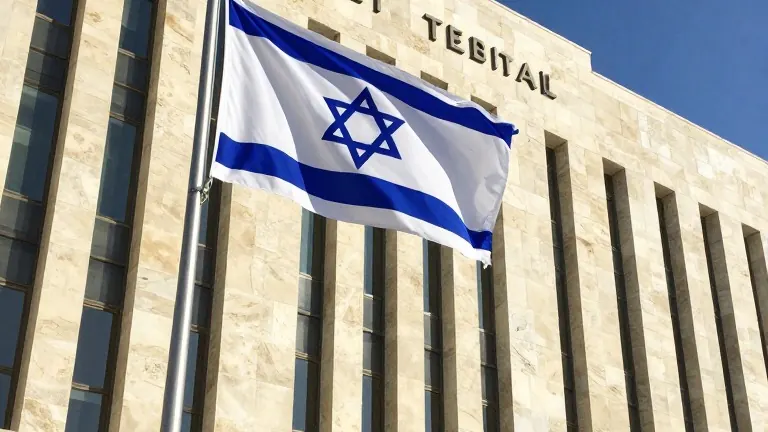
Two of the three primary suspects in an alleged voter bribery case in Israel were released by police on Sunday, a move that weakens the legal footing of Prime Minister Benjamin Netanyahu’s attempt to overturn last week’s parliamentary elections.
The release leaves only one suspect in custody, as a judge questioned the need for further restrictions on the other two. One man was freed subject to unspecified conditions, while another was ordered to stay on house arrest for eight days.
This legal development complicates the strategy of Netanyahu’s Likud party. The party has claimed without providing concrete evidence that Arab-led parties stole the vote. By casting doubt on the integrity of the election, Netanyahu appears to be seeking a way to block a potential opposition alliance that would force him from power.
The bribery allegations center on arrests made before polls opened on Oct. 27, when police found three political activists with envelopes of cash. Two days later, four more suspects were detained. Police stated the suspects were connected to the Islamist party Ra'am, which has denied involvement in the scheme.
Mansour Abbas, the leader of Ra'am, which won eight seats in the Knesset, called the arrests undemocratic. He described them as an attempt to influence the election results before voters had finished casting their ballots.
In a separate but related move, Justice Noam Sohlberg, head of the elections committee, addressed claims of foreign interference. Speaking in a video released Sunday alongside the Shin Bet chief and the attorney general, Sohlberg said that even if suspicions of external meddling are substantiated, they would not undermine the integrity of the electoral process or the final results.
Likud quickly responded to this assurance, questioning how the committee chief could acknowledge serious allegations while asserting the outcome remains valid. The party also pointed to an investigation opened by the Shin Bet security service at the request of the election commission regarding potential foreign influence.
The political stakes are high following the Oct. 27 vote, which saw Netanyahu’s bloc drop to 53 seats in the 120-member parliament. His main rival, Gadi Eisenkot, led a bloc to 48 seats. Arab-led parties, including Ra'am, captured the remaining 19 seats. Together, the opposition blocs have enough seats to form a government, though it is not yet clear if they will agree to join forces.
Eisenkot accused Netanyahu of launching an orchestrated campaign to delegitimize the results by insinuating that Qatar supported opposition parties. Qatar has denied funding any activities meant to influence the outcome. Netanyahu has previously suggested that joining with Arab parties would be treasonous, a stance his critics say relies on scare tactics to discriminate against Israel’s 20% Arab citizenry.
Yousef Jabareen, leader of the Joint List of Arab parties which won 11 seats, noted that more than half of Likud’s election day content targeted Arab voters. He stated that in moments of crisis, Netanyahu reverts to racist incitement and the delegitimization of the Arab public.
The election results are due to be officially certified this week. President Isaac Herzog will begin meeting with each elected party on Wednesday to determine who they prefer for the next prime minister. He will then select the candidate he believes has the best chance of forming a coalition. If negotiations fail, the country faces a new election early next year.
Source: KPRC-TV