Healey Set to Unveil Low-Key First Budget Focused on Cost of Living Pressures
The chancellor will present the Burnham government's first budget on Wednesday, with modest measures on energy, food, housing and fuel shaped by tight fiscal limits.
By Ayanda Novak ·
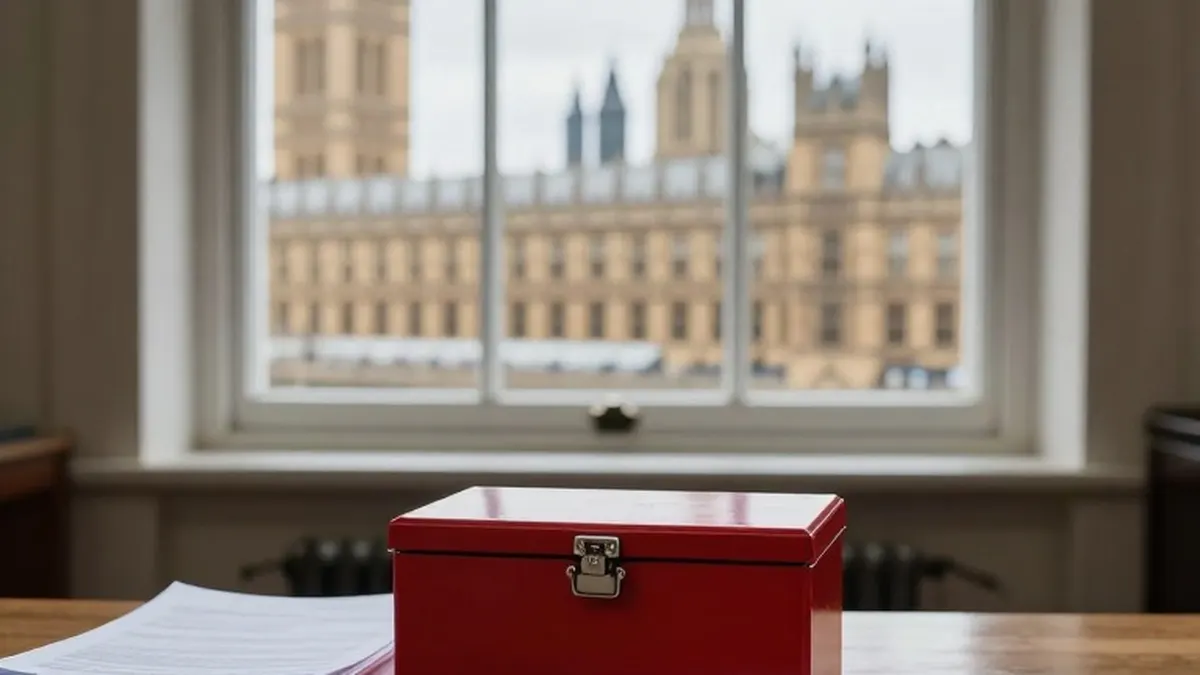
Chancellor John Healey is due to set out the Burnham government's first budget in the Commons at 12:30pm on Wednesday, and the Treasury has repeatedly described it as a "low-key" affair. Healey has presented the package as relief for low- and middle-income households, under the slogan "breathing space for today, fresh hope for the future".
Many of the proposals have already been briefed, and their modest scale reflects constraints that are both real and self-imposed. Healey has rejected calls to raise capital gains tax or lower the mansion tax, and has promised to keep to Labour's fiscal rules. The Iran war, meanwhile, has pushed up borrowing costs and eroded the government's spending power. Kiran Stacey, the Guardian's policy editor, said the budget would be "far smaller" than last year's and would not be "ending 40 years of neoliberalism".
Some content is already known. The government plans to abolish a much-criticised rule that left unpaid carers in debt, a problem the Guardian exposed last year. It also drew criticism for pausing the process of aligning the lower minimum wage for under-21s with the national living wage. A series of "everyday fixes" is expected to include help for poorer families with energy bills this winter, plus energy market reforms meant to reduce bills for all households over time.
The pressure on households is considerable. The debt charity StepChange said the average arrears debt among its clients rose from £2,833 to £4,345 between 2022 and 2025. A spokesperson said that in the late 2000s clients mostly came with consumer credit debt, but that now one in two have energy debt.
Energy bills were the leading worry for many readers who contacted the Guardian's First Edition newsletter. Michael, who rents a draughty three-bedroom bungalow in Winchester with his three children, spends about £165 a month on electricity and gas. After tax he earns between £2,500 and £3,000 a month and pays £1,800 in rent, leaving at most £300 a week for four people. Because he receives no benefits, he would not qualify for the warm homes discount, the £150 annual reduction that Healey has considered making more generous. Mathew Lawrence, director of the thinktank Common Wealth, said the government needs a structural plan to cut bills over the medium term, such as an "energy guarantee" priced at pre-crisis levels, but said Healey's tax decisions have limited the room to act.
On food, the government has announced it will remove import tariffs on items including baked beans, chocolate and gherkins. The Treasury estimates this will save £21 on the average yearly food shop, which would barely register for Michael, who tries to keep his weekly Aldi shop to £80. A May report from the Energy and Climate Intelligence Unit found that UK food prices that rise during crises tend to fall slowly or incompletely, or stay the same.
On housing, Burnham has committed Labour to its biggest council housebuilding programme since the postwar decade, and Healey is expected to add £1bn in funding. More detail is likely on the Your First Home scheme for first-time buyers, a new version of Help to Buy. Both would take time to have an effect. The Resolution Foundation says more than 900,000 private rented households on universal credit face a gap between rent and housing allowance, averaging £158 a month for a family in a two-bedroom home. Local housing allowance has been frozen since 2024.
The government will also continue the freeze on fuel duty, which Rishi Sunak announced in 2022. Jonny Marshall, an economist at the Resolution Foundation, said the freeze mainly benefits higher-income households who drive more and costs the government revenue. He argued it would be better to help poorer households through "other ways", particularly more action on energy bills.
Source: The Guardian