Tennessee Execution Team Admits Vein Failures in Christa Pike Case
Court filings reveal significant procedural struggles during a failed lethal injection, reinforcing arguments against the state's current protocol.
By Samir Lin ·
Tennessee state officials are facing fresh scrutiny after a court filing detailed significant difficulties encountered by the execution team during the September 30 attempt to execute Christa Pike. The document provides the most granular account to date of the medical challenges involved, highlighting a series of failed attempts to establish the necessary intravenous lines. This new information adds weight to ongoing legal challenges regarding the reliability of the state's lethal injection procedures.
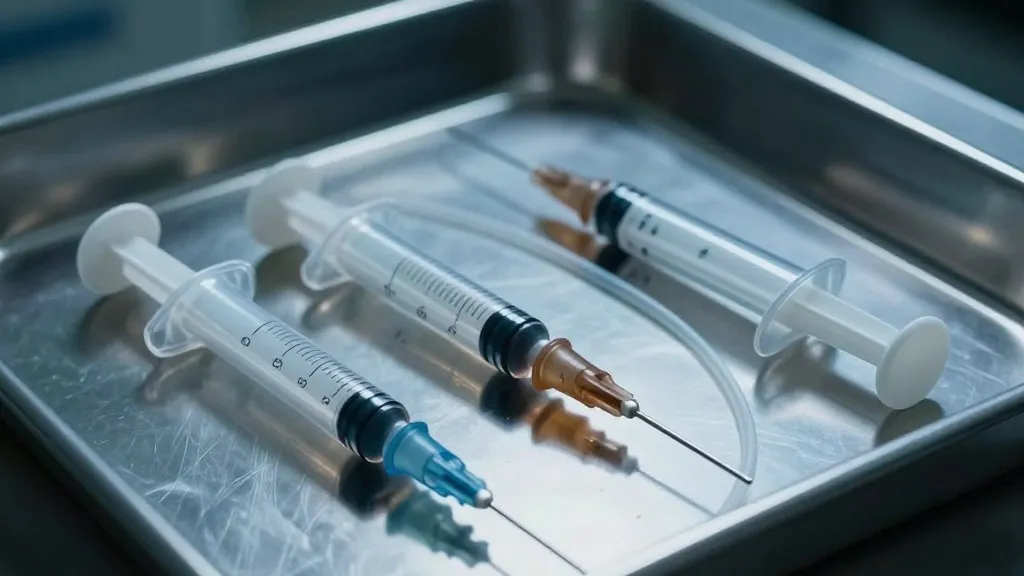
Attorney Randy Spivey outlined the specific technical failures in a filing submitted this week. He noted that the medical team utilized approximately 10 needles and attempted to access veins in multiple locations on both of Pike's arms. The team struggled so significantly that they had trouble pushing saline through the final site they established. The filing suggests that some veins may have ruptured, or as the team described it, blown, before the lethal drug was administered.
The incident occurred during an execution attempt on Pike, 50, who was convicted in 1995 for the stabbing death of her classmate Colleen Slemmer. Pike was 18 at the time of the crime and became one of the youngest women sentenced to death in the state. The protocol in Tennessee requires a second dose of pentobarbital if the first does not result in death, but it lacks clear guidance for survivors of the second injection. Following the event, Pike was hospitalized and placed on a ventilator for several days. Her legal team reported at one point that they did not expect her to survive, but she has since regained consciousness and returned to prison.
The filing was part of a broader legal case where inmates are challenging the state's lethal injection methods. Kit Thomas, an attorney representing the challengers, stated that the outcome validated predictions about the likelihood of botched executions without substantial change. He argued that these issues would continue to arise under the current system.
Spivey’s account provides a minute-by-minute timeline of the procedure. The team began placing the two required IVs at 6:34 p.m. While one line was set in the right arm within six minutes, the left arm took nearly an hour. Pike reportedly helped by suggesting the team look for a usable vein in her upper arm. The attorney described her as wincing and grimacing as the team moved needles around, with members frequently voicing doubts about their progress.
Specific timestamps in the filing indicate that one team member suggested a vein might be blowing at 6:57 p.m., though two others were uncertain. A subsequent needle appeared severely bent upon removal, and by 7:07 p.m., another member stated, I think it's blown. The team finally declared a successful IV placement in the left arm at 7:13 p.m. Phone calls to the execution chamber began shortly after, with the team pushing the drug from an adjoining room seemingly asking the IV team to check the left arm repeatedly.
It remains unclear exactly when the pentobarbital entered the lines, but Pike reported at 7:34 p.m. that she felt her arm was about to burst and that it burned. She continued speaking with her spiritual adviser for about 10 minutes before making an agitated snoring sound. Over the next 30 minutes, she strained, flinched, and appeared to struggle to breathe. Spivey noted that he was taken on a seven-minute route through the facility to make a phone call rather than being allowed to use the phone in the witness room.
Spivey called fellow attorneys at 8:22 p.m. to request that the execution be stopped, noting that a third dose was not authorized. He informed the deputy attorney general that Pike required immediate medical care. By 8:50 p.m., he was told an ambulance was en route, and about 20 minutes later, medical staff were performing life-saving measures. An ambulance arrived at the hospital at 9:14 p.m.
The case highlights the financial and operational risks associated with the current protocol. As the state faces continued legal challenges, the detailed account of the Pike execution provides concrete evidence for those arguing that the process requires significant revision to ensure consistency and reduce the potential for medical complications.
Source: CBC News
More Business · World news · Rip-Off Report · Report a business · Got a Story?