Kipnuk residents await repair of homes damaged by Typhoon Halong
A year after the storm, FEMA funds cover basic repairs in the Western Alaska village, but residents remain displaced due to the cost of full reconstruction.
By Samir Lin ·
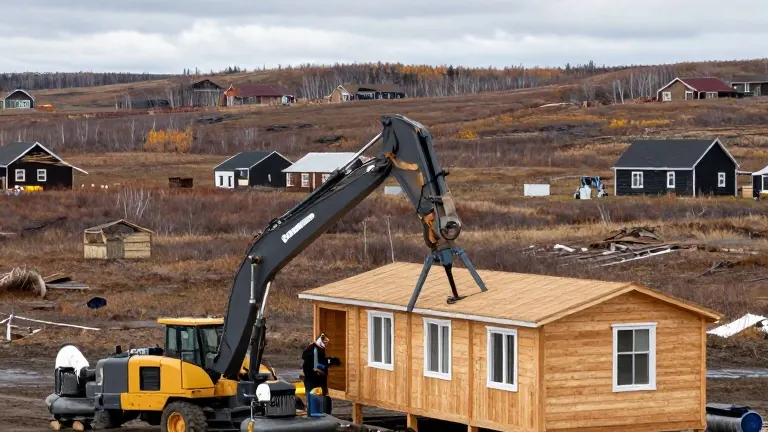
Repair crews in the Alaska village of Kipnuk are currently using air compressors to lift buildings back onto their foundations, a process that marks the final phase of immediate storm recovery. This work aims to make the structures habitable before the winter weather sets in, allowing displaced residents to return to the community on the Western tundra.
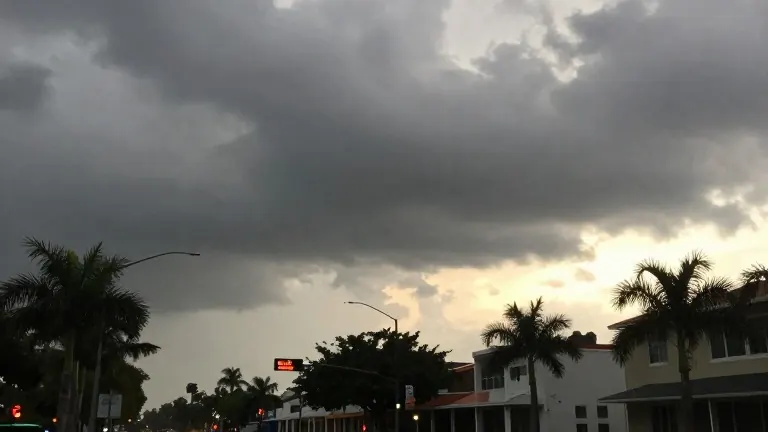
The remnants of Typhoon Halong struck the region last October, causing widespread destruction. The State of Alaska's Emergency Operations Center reported that 90% of the homes in Kipnuk were damaged. Dozens of residences were swept off their supports, with some families still inside at the time of the event. The storm displaced more than 1,000 people across multiple small villages off the road system.
Eddie Chuckwuk, a local construction worker, leads one of the teams managing these repairs. He noted that the goal is to get people back to where they grew up rather than placing them in unfamiliar areas. He stated, 'We're working as fast as possible as we can to get the people back in town.'
According to state officials, most residents lacked home or flood insurance. Federal Emergency Management Agency funds are expected to make most homes livable by Thanksgiving. These funds will cover the replacement of wet insulation and the repair of windows, doors, and roofs. However, the state estimates that these funds are insufficient to fully restore severely damaged homes to their pre-storm condition. The state is currently seeking additional funding to build replacement housing.
No timeline exists for when the local school will reopen. Leona Paul, a cook who has been feeding the construction crews, observed that some residents, particularly older adults, found the trauma of the storm overwhelming. She said, 'I think it's too overwhelming for them, especially the older people.'
Residents face the prospect of returning to a location that climate change may make more vulnerable to future storms. While many want to rebuild the village in a safer location, current FEMA funding only covers the restoration of existing damage. Kipnuk has not yet secured the money needed to move the community.
Displacement has affected daily life and cultural practices. In larger towns, residents report speaking less Yugtun, the local native language, and feeling separated from loved ones. Children who previously played freely across the village now must navigate traffic in urban areas. Burt Paul, a community leader who stayed in Kipnuk during the aftermath, noted that his family's traditional hunting and gathering trips have been shortened. He said, 'It beats my mind that I see food growing, grass growing, fish coming in.'
Paul's family traveled to Kipnuk this summer to practice subsistence living on the tundra. They harvested salmonberries, known as naunraqs in coastal Yugtun. Paul indicated that he is not yet certain when his family or the wider village will be fully reunited.
Source: KNKX Public Radio